 reckoner
Answer Lifting after 40
Can you build muscle after 40?
Yes. Muscle keeps growing in response to lifting at forty, fifty and well beyond. What changes is how much you stand to lose by not training, which makes this the best time to start.
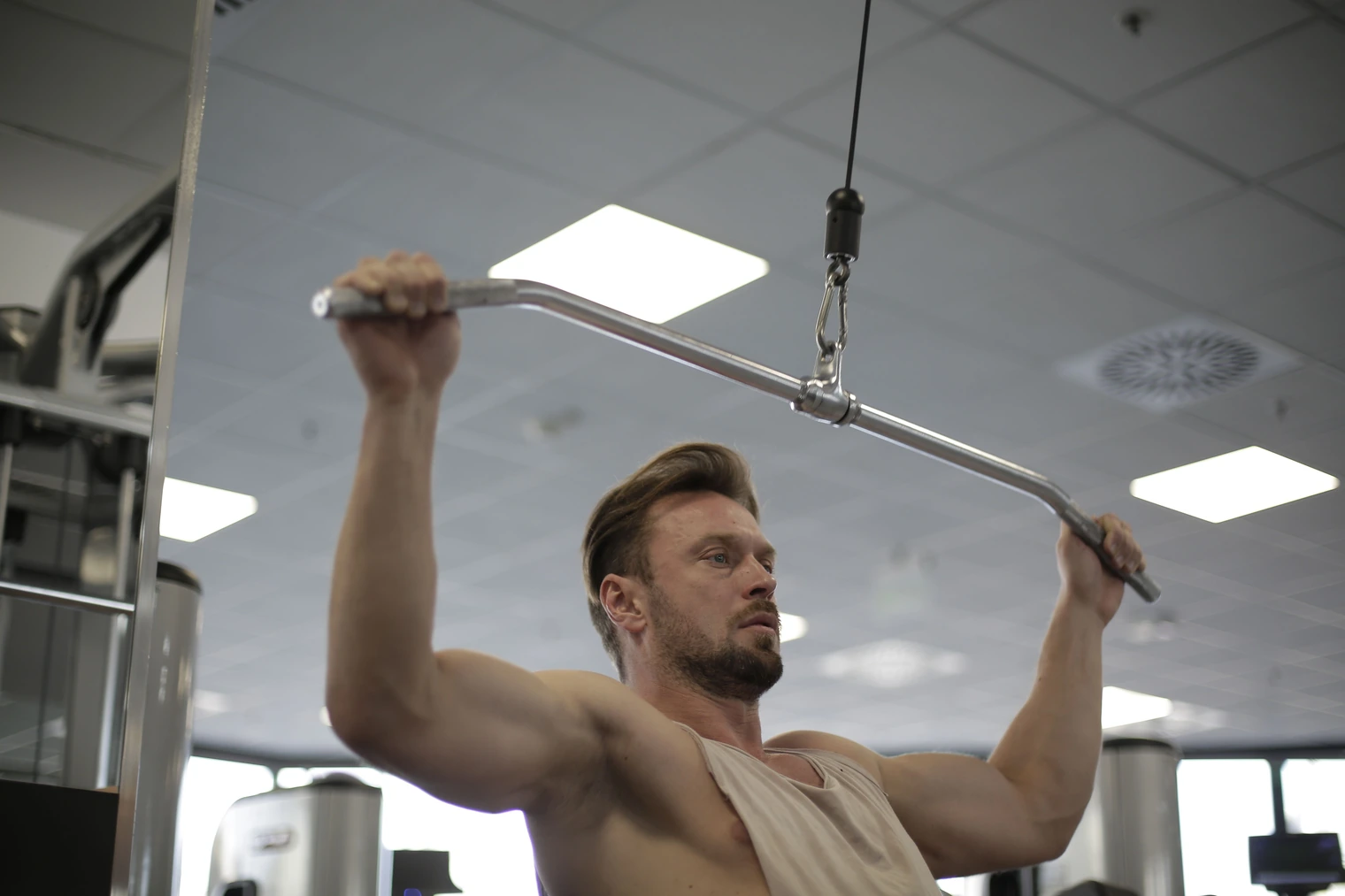
A lot of men turn forty and quietly assume the window has closed. The idea is that muscle is something you build in your twenties and spend the rest of your life losing, so past a certain birthday the best you can hope for is to slow the slide.
The research does not support the first half of that. Muscle keeps answering to lifting well past forty, and the slide is the best reason there is to start.
What age actually takes
Muscle does shrink with age, slowly. Across studies comparing younger and older adults, men lost a median of about half a percent of their muscle a year1. Strength goes faster than size, two to five times faster in studies that measured both in the same people, and loss of strength is the more consistent warning sign for disability later in life1.
That last point changes what you are training for. The bigger arm is welcome. The stronger legs are what you will be glad of at seventy.
Muscle still grows, at forty and long after
A meta-analysis pooled 49 studies of lifting programs in 1328 people aged fifty and over, and found they added an average of 1.1 kg of lean mass over the programs2. The programs with more sets gained more. The oldest people gained a little less, which the authors read as a reason to start earlier rather than later2.
When researchers trained men in their late sixties beside men in their twenties on the same program, the trained thigh muscle grew by about the same amount in both groups3. It was a small trial and an old one, so take it as a sign rather than a promise. It still runs against the idea of a door that shuts.
The National Strength and Conditioning Association's position statement on older adults goes further, and calls resistance training a powerful intervention against the loss of both strength and muscle with age4.
Forty is not a deadline. It is a reason.
How to train for it
- Lift two or three times a week. In trials of adults over sixty-five, two sessions a week gave the largest strength gains and three the largest muscle gains, with two to three sets of seven to nine reps doing well for both5. You are younger than those lifters, so treat that as a floor rather than a ceiling.
- Do enough sets. Higher volume programs added more lean mass in the over fifty meta-analysis2. A couple of easy sets of everything is not the program those numbers came from.
- Let the weights climb. Getting stronger is the point, so the load has to go up as you do. Add reps first, then weight.
- Eat a proper serving of protein at each meal. Healthy men around seventy needed about two thirds more protein in a single meal than men in their twenties to get the same muscle building response6. Across all ages, a review of protein trials found no extra gain in lean mass once total intake passed about 1.6 grams per kilo of bodyweight a day7.
- Train around what hurts, not through it. Joints with forty years on them are not a reason to stop. Training around pain covers which kinds of pain mean change the lift.
What about testosterone
It does drift down with age, by about one to two percent a year8. That is real, and it is slow. The ups and downs of the hormone within the normal range have not predicted who builds muscle in the trials that looked, and Lifting and testosterone goes through what they found. If you have the signs of low testosterone, that is a blood test and a doctor, not a reason to stay out of the gym.
Where Reckoner comes in
The engine moves your loads on what you log: the sets you finished, the reps you got and how hard they felt. Your age plays no part in how it moves your loads from week to week, and a set you finished reads as progress at any birthday. Start where you are, and let the bar tell you how fast you are going.