 reckoner
Calculators, free and open
Two things you work out in the gym, standing at the rack. What goes on the bar, and what the set you just did says your max is. Do the sums here, or let Reckoner do them on your wrist every session, from the plates you told it your gym has.
Plate calculator
Give it a target and it works out what goes on each side, heaviest plate first, from the plates you actually own. Untick what your gym does not have and it tells you the closest weight the bar will take.
25 · 15 · 1.25
Exact. 3 plates a side on a 20 kg bar.
How to work out what plates to put on a barbell
Take the target weight, subtract the bar, and halve what is left. That number is what each side carries, and the calculator loads it heaviest plate first, the way you would load it by hand. A 100 kg squat on a 20 kg Olympic bar is 40 kg a side, so 25 and 15.
The part most plate calculators skip is what your gym actually owns. Without a pair of 1.25s you cannot make 82.5 kg on a 20 kg bar, and no amount of arithmetic changes that. Untick the plates you do not have and it tells you the closest load the rack will give you, rather than a number you cannot build.
Bar weights are set for the common ones: a 20 kg Olympic bar, a 15 kg women's bar, and a 10 kg training bar. In pounds it swaps to 45, 35 and 15, with plates to match. Change the unit at the top and everything follows.
1RM calculator
Give it a set you already did and how many reps you had left in the tank, and it estimates the most you could lift once. Reps in reserve are what make the estimate honest.
120 kg
100 kg for 5 reps with 1 left is 6 hard reps, about 83% of your max.
| What you are training | % of max | Load |
|---|---|---|
| Heavy single, RPE 9 | 95% | 115 kg |
| Triple | 92% | 110 kg |
| Five, top set | 87% | 105 kg |
| Eight, hypertrophy | 80% | 95 kg |
| Ten, back-off | 75% | 90 kg |
| Twelve, technique | 70% | 85 kg |
How to estimate a one-rep max without testing one
A one-rep max test costs you a session and tells you one number. An estimate costs you nothing, because you already did the work: a set of five with one rep left is six hard reps, and six hard reps at a given weight puts a fairly narrow bracket around what a single would be.
This uses the Epley formula with reps in reserve folded in, so the set you actually did is worth what it was actually worth. A set taken to failure and a set with three left are not the same set, and treating them the same is where most max estimates go wrong.
Treat the number as a working figure rather than a record. It is most accurate between three and eight hard reps, and it drifts once you get far above that, because high rep sets say more about your conditioning than about your top end.
What the numbers are for
A max estimate is only useful if you know what to do with it. The latest guides and answers, newest first, picking up where the calculators stop.
-
 Guide Menopause
Strength training through menopause
Menopause changes your hormones, your sleep and your bones. It does not change the fact that you can get stronger…
-
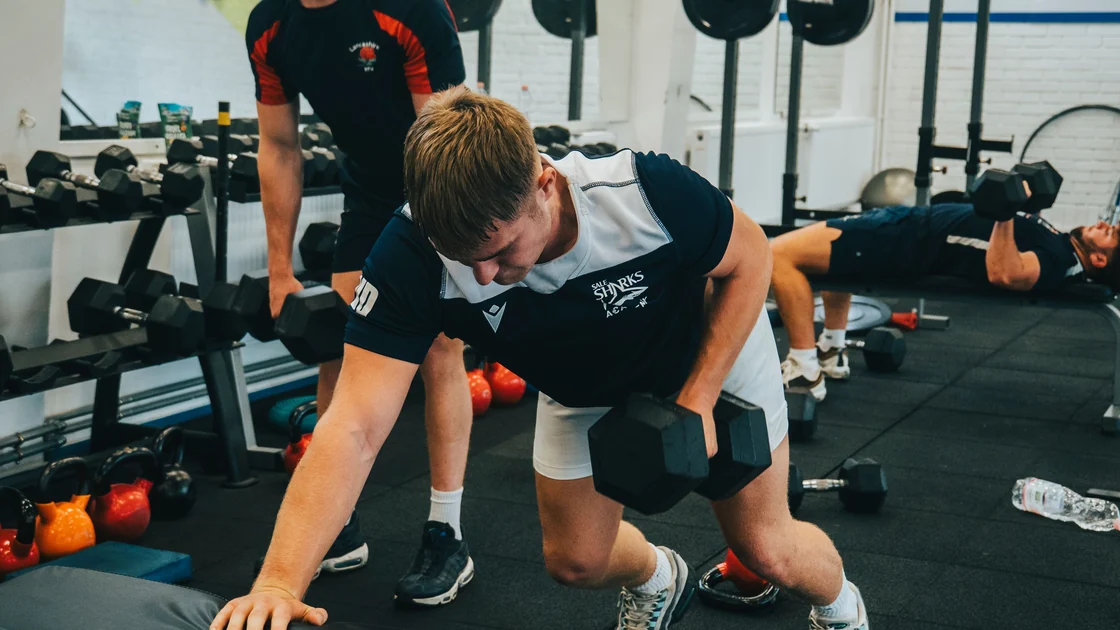 Answer Splits
A push pull legs plan for beginners
Three sessions: push, pull and legs, four or five lifts each, every set stopped with two or three good reps left…
-
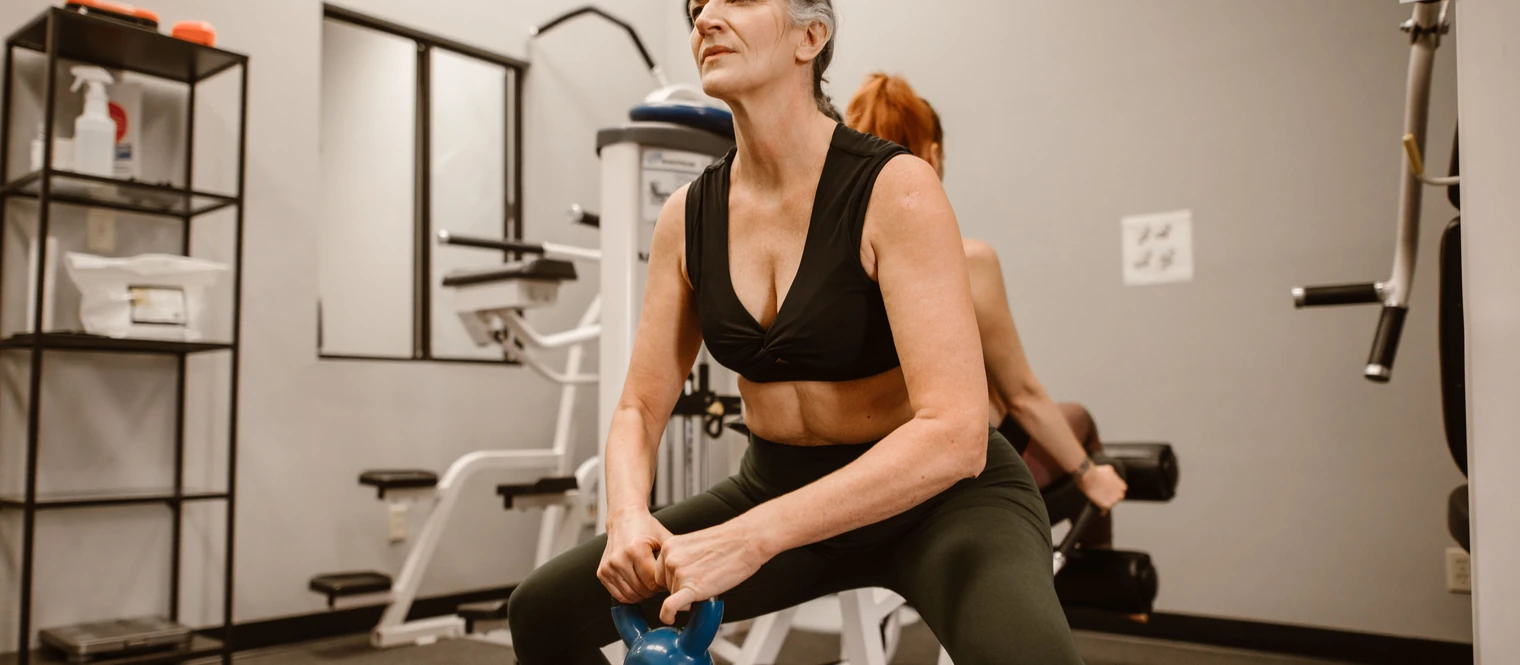 Guide Bone health
Lifting and bone health: why it matters for women
Bone is living tissue, and it responds to load much like muscle does. Women build less of it and lose it faster…
-
 Guide Volume
How many sets per muscle each week
Count your hard sets per muscle across the week, not per session. Around ten a week is where muscle growth…
-
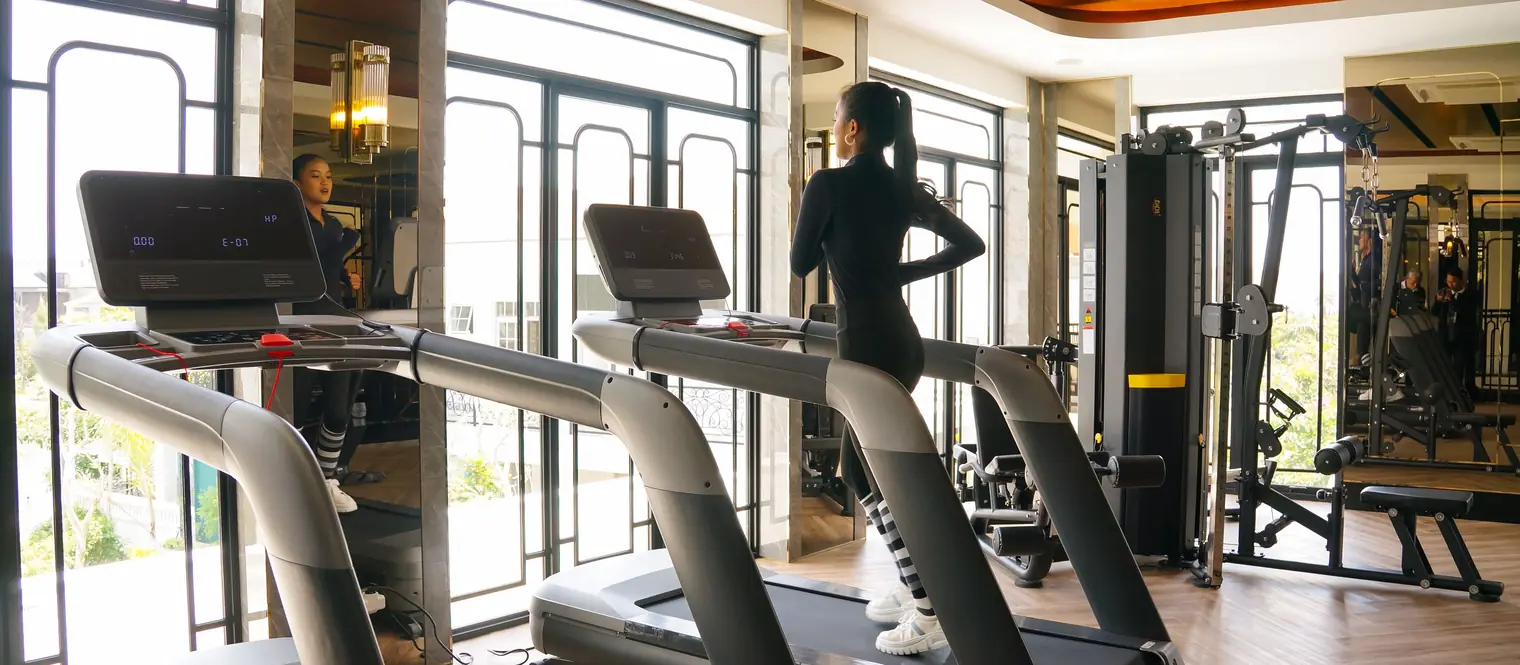 Guide Session order
Cardio before or after lifting?
After, for anything hard. Lifting first keeps your strength work at its best, and cardio around a session costs…
-
 Guide Bracing
Bracing and breathing for heavy lifts
Before a heavy rep, take a big breath low into your belly, tighten your trunk around it, and hold it through the…
Reckoner does this on every set, without being asked
You never open these. The plate loading appears under the target on the watch, and the max estimate updates itself after every set you log. Both know your bar and your plates already.