 reckoner
Guides to training, and answers about the watch.
The long arguments sit in the guides. The short answers sit underneath them. Everything here is a rule the engine actually follows, and the numbers in it come out of the real thing.
Guides
An argument about training, carried by a real engine run.
 Women's health
Strength training through menopause
Menopause changes your hormones, your sleep and your bones. It does not change the fact that you can get stronger, and lifting is one of the things the NHS points to for both your bones and your symptoms.
Menopause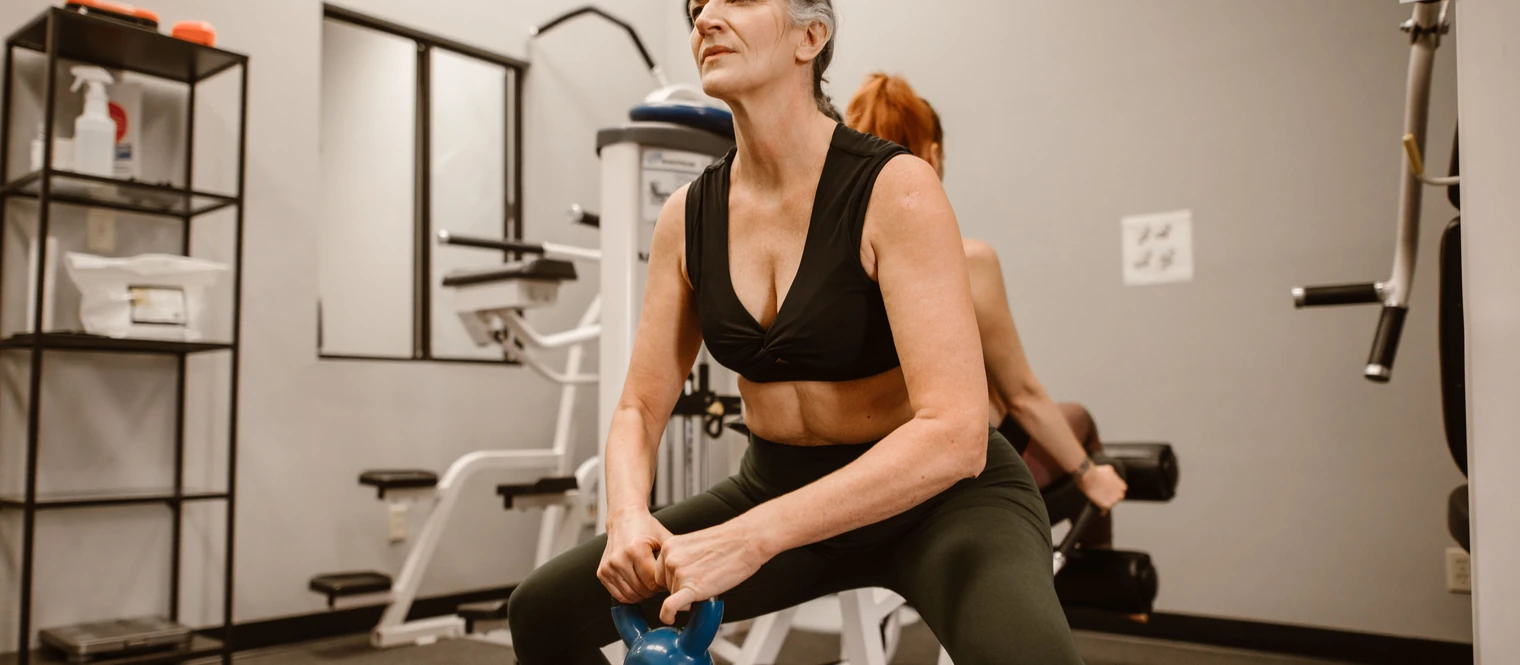 Women's health
Lifting and bone health: why it matters for women
Bone is living tissue, and it responds to load much like muscle does. Women build less of it and lose it faster around menopause, which makes lifting one of the most useful things you can do for your skeleton, at any age.
Bone health Programming
How many sets per muscle each week
Count your hard sets per muscle across the week, not per session. Around ten a week is where muscle growth reliably picks up, more keeps helping at a slowing rate, and strength needs fewer sets than size does.
Volume Cardio
Cardio before or after lifting?
After, for anything hard. Lifting first keeps your strength work at its best, and cardio around a session costs your strength and muscle very little while it stays easy and short. A few easy minutes before the first set make a good warm-up.
Session order Getting started
Bracing and breathing for heavy lifts
Before a heavy rep, take a big breath low into your belly, tighten your trunk around it, and hold it through the hard part of the rep. On lighter sets, breathe steadily instead. Knowing which set wants which is most of the skill.
Bracing Getting started
What your first block was for
Six weeks in, most of what changed is the part you cannot see. Your first block taught you the lifts, replaced a guess with your real numbers, and ends with a lighter week so the next one starts fresh.
Training blocks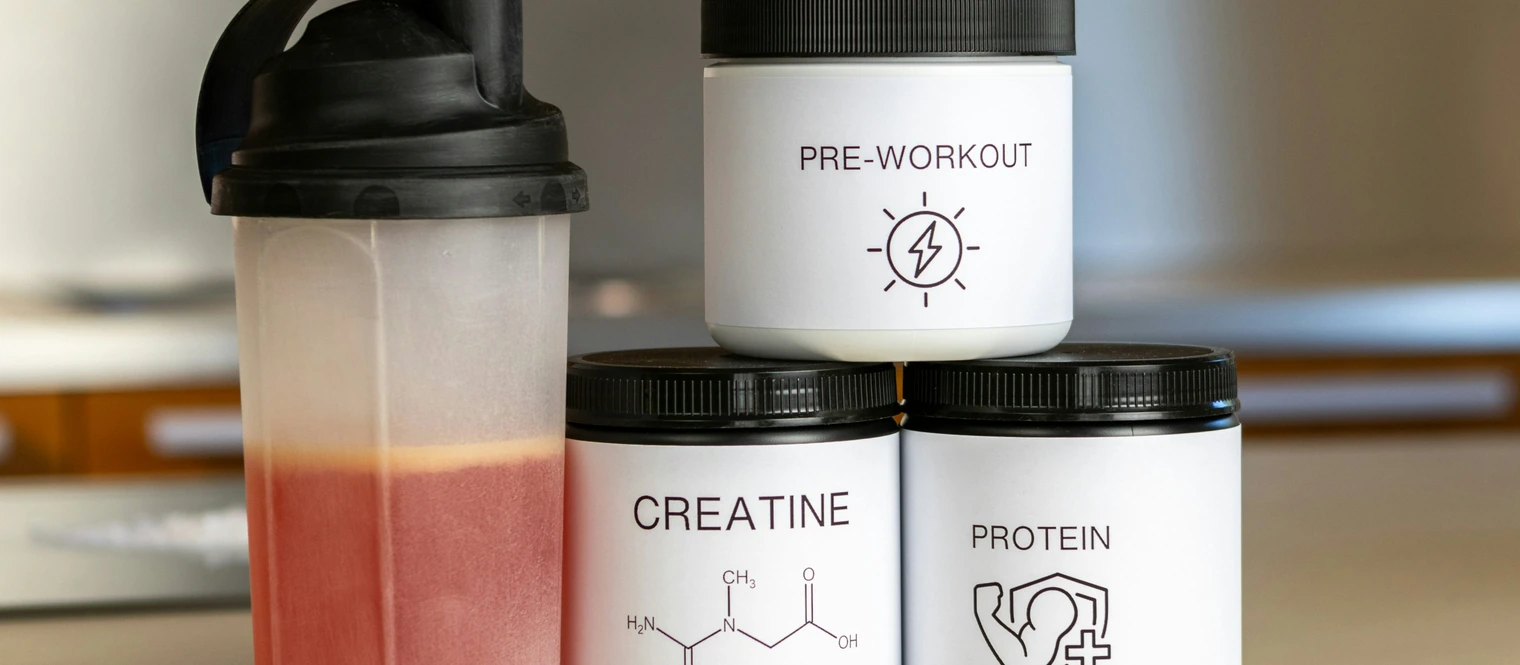 Fuel
Fuel
The pros and cons of pre-workout
One ingredient in a pre-workout has strong evidence behind it for lifting. The scoop is usually too small to hold an effective dose of most of the others.
Supplements Sessions
Training around pain
Pain is not one thing. Some of it means stop and get help today, some of it means see somebody soon, and some of it means change the lift and keep training the rest of you. This page helps you tell which, and it cannot tell you what is wrong.
Pain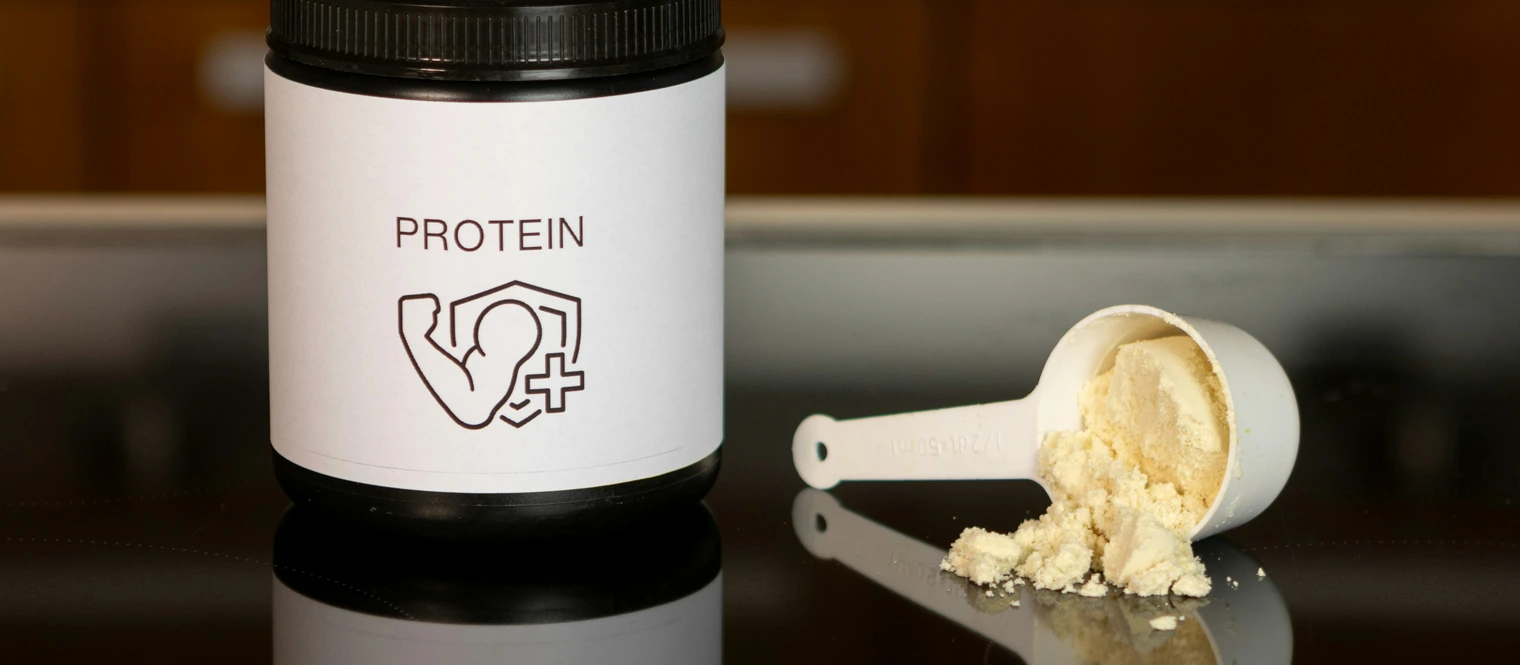 Fuel
Fuel
The pros and cons of protein powder
Protein powder is not a supplement in any interesting sense. It is food, sold dry, and what it does for you depends entirely on what you were eating already.
Supplements Getting started
Your first week of lifting
Your first week is not a test. The weights are a deliberately light guess, the sessions are practice, and the one thing you have to get right is an honest record of what you did.
First week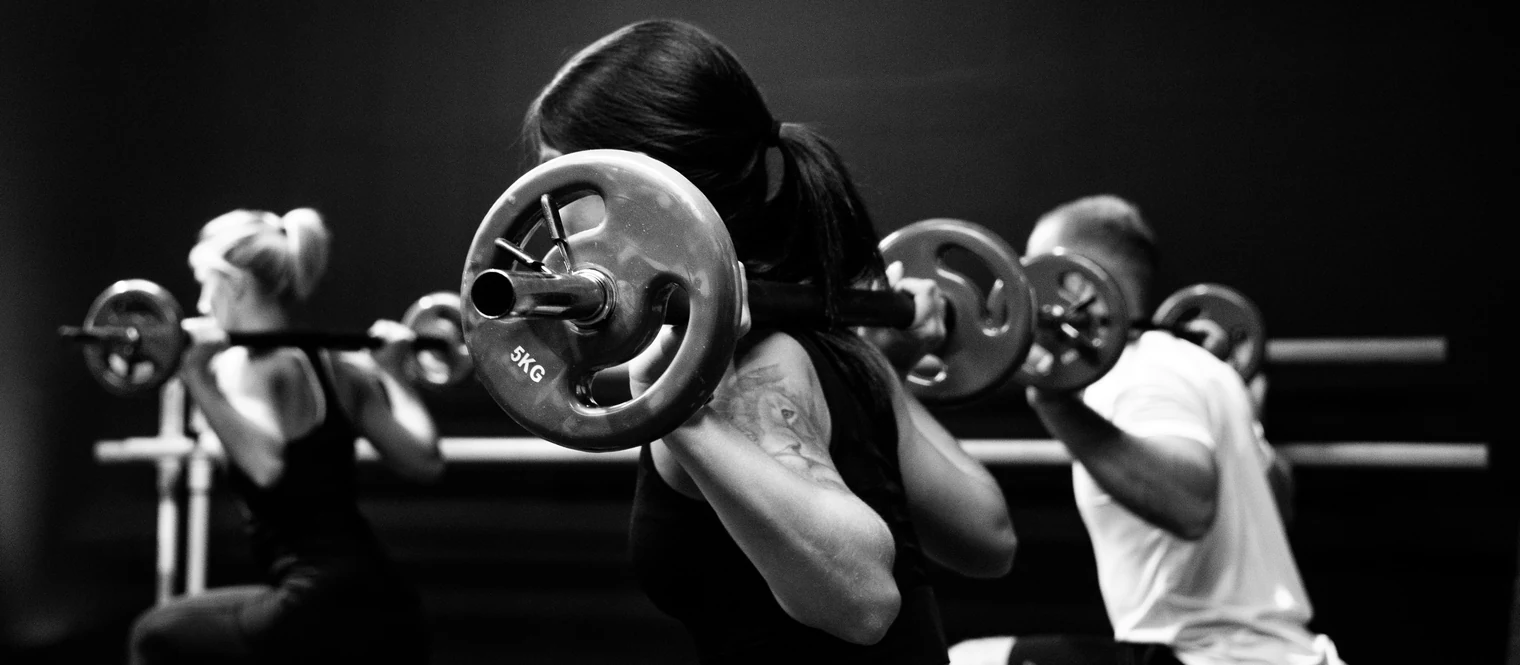 Getting started
Good lifting form, and why it matters
Good form is not a pose you hold or a list of rules you pass once. It is the same rep, done the same way, set after set, and it is what makes every other number in your training mean something.
Form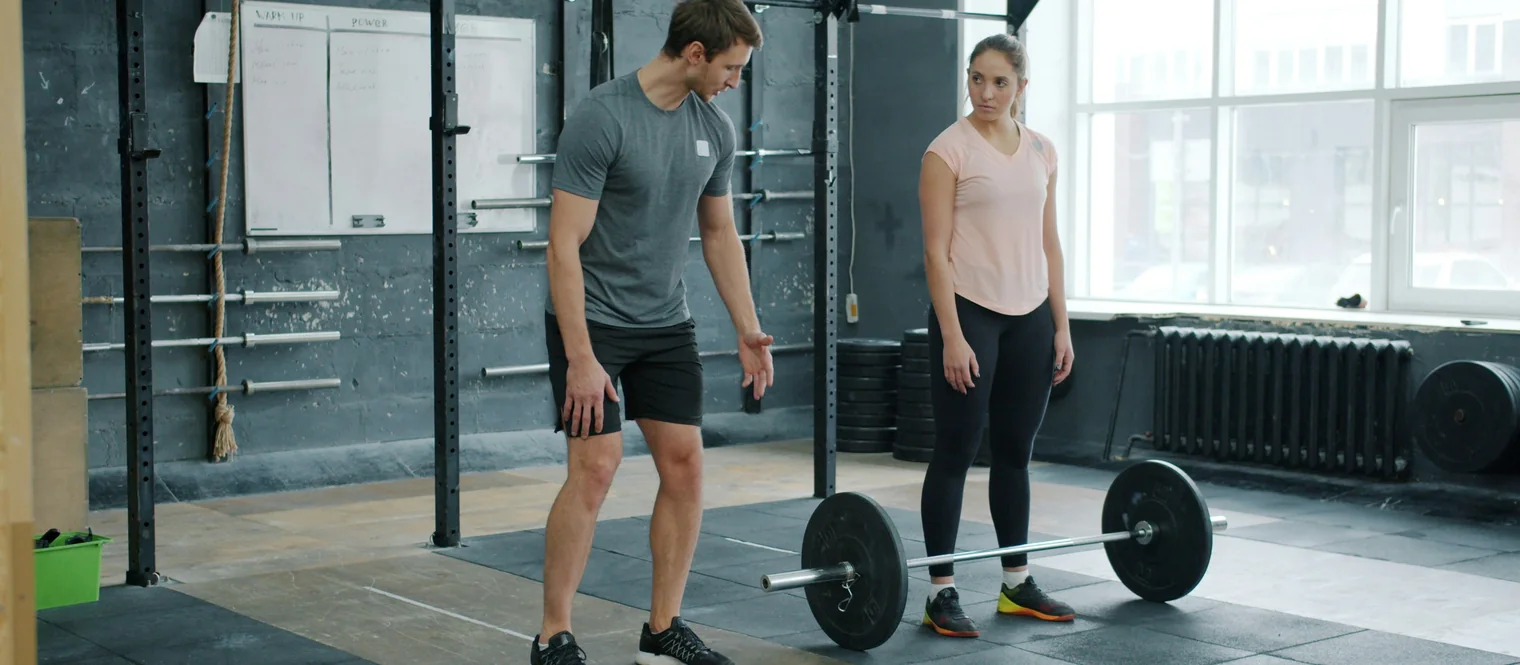 Programs and splits
A beginner strength program, and how to start one
Almost any beginner strength program works if you run it honestly for six months. The choice of program is the easy decision, and it is not the one that decides anything.
Starting a program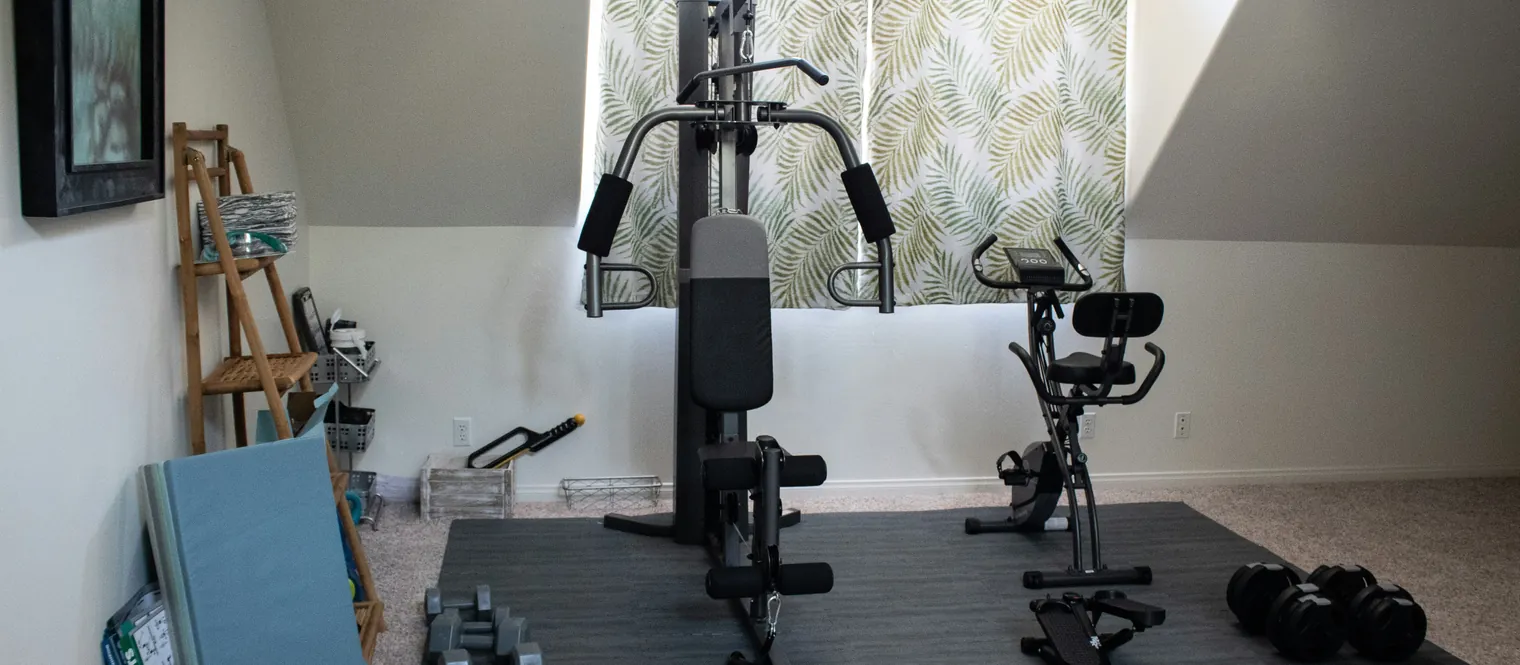 Programs and splits
Home gym and dumbbell only programs
Whether you have a rack in the garage or two dumbbells and a bench, the kit decides two things. How small a step you can take, and how far up you can go.
Equipment On your watch
Running a gym workout from a Garmin
The watch will record your gym workout more honestly than your memory will. The first few sessions go badly anyway, and it is always the same three things.
The gym activity Getting started
Strength training for beginners: where to start
You do not need to be fit to start lifting, and you do not need a perfect program. You need a handful of movements done well, two or three times a week, and a little more each week than the last. Here is how, and a program you can start today.
Beginners Programming
Strength standards, and what they can tell you
There is one large set of published strength standards and everybody in it entered a competition. That is worth knowing before you measure yourself against it.
Strength standards Programs and splits
Powerbuilding: training for strength and size
Heavy main lifts with bodybuilding volume behind them. It sounds like two goals sharing one week. It is closer to two goals that want different things.
Powerbuilding Programming
Training blocks, and what they are for
A block is a run of weeks with one job, ending in a week that pays for the ones before it. The structure matters more than which named model you pick.
Periodization Effort
What training to failure is worth
The last rep is supposed to be the one that counts. The studies that tested that found something more useful and considerably less dramatic.
Training to failure Programs and splits
The bro split, judged on the evidence
One muscle group a day, trained once a week. It deserves better than the punchline and less than its defenders claim, and which one depends on what you train for.
Splits Running
Lifting and running in the same week
Cardio does not kill your gains and lifting does not ruin your legs. What is left when the measurements come in is mostly a question of what you do on which day.
Interference effect Effort
Reps in reserve, and how close to failure to train
Reps in reserve is a count of what you left behind, and it is the same scale as RPE read from the other end. The interesting part is what the number should be.
Proximity to failure Sessions
What exercise order actually decides
Big before small is the rule everybody is handed. The research behind it says something narrower, and the narrow version is the one that tells you what to do.
Exercise order Programs and splits
The full body workout, and who it is really for
Everything trained every session, two or three times a week. The objection is always about the session. The evidence is about the week.
Splits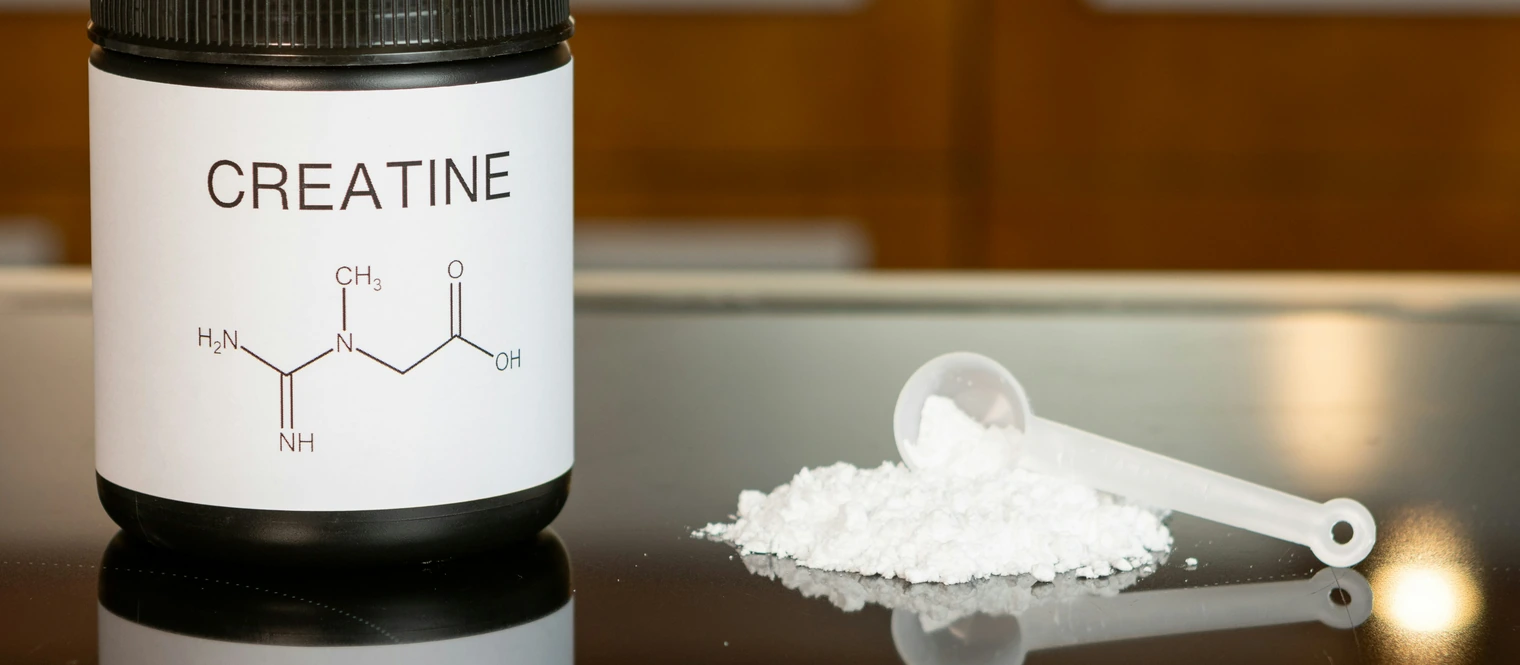 Fuel
Fuel
The pros and cons of creatine monohydrate
The best evidenced supplement in lifting is also the most oversold. Both are true at once, and the gap between them is the part worth reading.
Supplements Programming
Double progression, and why it works
Two things progress instead of one: the reps inside a range, then the weight. It is the method that keeps working after adding weight every week has stopped.
Rep ranges Sessions
How long to rest between sets
Short rests still make you stronger. Longer ones make you stronger still, and only once you already train. The clock matters less than the advice suggests.
Rest Programs and splits
The upper/lower split, and why four days fits
Two sessions repeated, four days a week, and every muscle trained twice by Friday. The least fashionable split, and the one that fits most weeks.
Splits Programming
What progressive overload actually means
The demand has to keep rising or the body has no reason to change. That is the whole principle, and the weight on the bar is only one of the things that can rise.
Overload Running
Strength training for runners
Runners are told to lift and the advice usually stops there. The research is more specific than that, and the part it is specific about is the load.
Endurance Programs and splits
Push pull legs: the PPL split, three days to six
The split people mean when they say they are on a program. It decides where your sets go, which matters, and not much else, which is the part worth knowing.
Splits On your watch
Garmin Strength Training: What Your Watch Can Do
Your Garmin is already a good strength training and weightlifting tracker. Recording sets, reps and weight was never the hard part. Deciding what you should lift next is.
The watch How the engine thinks
How to take body measurements that tell you something
Body measurements answer the question a scale cannot. The scale gives you one number for two things that move independently. A tape says which one moved, and it only says it if you take it the same way every time.
Tracking How the engine thinks
Two lifts, back to back
Pairing two lifts buys you time and costs you nothing you were using. Here is how to set one up, the five arrangements Reckoner refuses, and the one thing pairing changes about your next week.
Sessions How the engine thinks
What RPE actually measures
It is not how hard the set felt. It is how many good reps you had left when you racked the bar, and it decides whether next week owes you more rest or a lighter week.
Effort How the engine thinks
Why you are not progressing
A lift that has not moved in a month is not a willpower problem. Here is what a real stall looks like week by week, and the four things worth checking before you change anything.
Progression How the engine thinks
The week you back off
A deload is not a week off, and here it is not a lighter bar either. Both versions run through the real engine, and the reason the load stays exactly where you put it.
Recovery How the engine thinks
How Reckoner decides to add weight
You do not decide when the bar goes up, and neither does the calendar. Your last session decides. Here is six weeks of one bench press, run through the real engine, with the reason beside every decision.
ProgressionAnswers
One question, answered in the first sentence.
-
A push pull legs plan for beginners
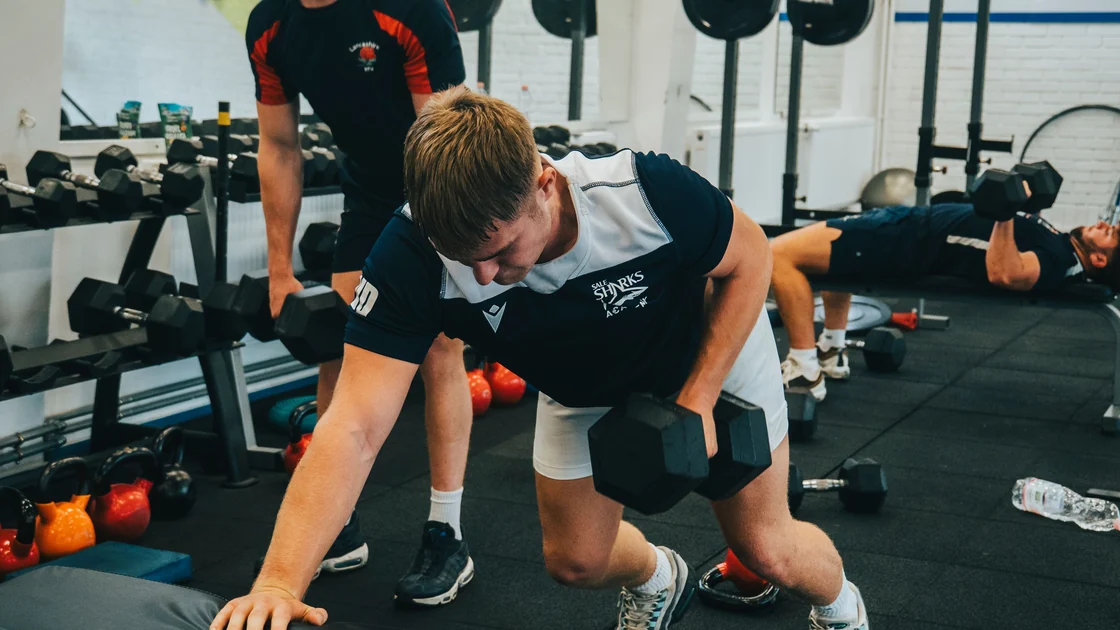
Three sessions: push, pull and legs, four or five lifts each, every set stopped with two or three good reps left. Run it once a week to start, or twice through on six days so every muscle is trained twice. Add reps first, then weight.
-
How much protein do women need to build strength?
About the same per kilo of bodyweight as anybody who lifts: roughly 1.4 to 2.2 grams a day, spread across your meals.

-
Will lifting weights make me bulky?
No. Muscle does not arrive by accident, and lifting tends to take a little fat off rather than pile size on. What you can count on is getting stronger.

-
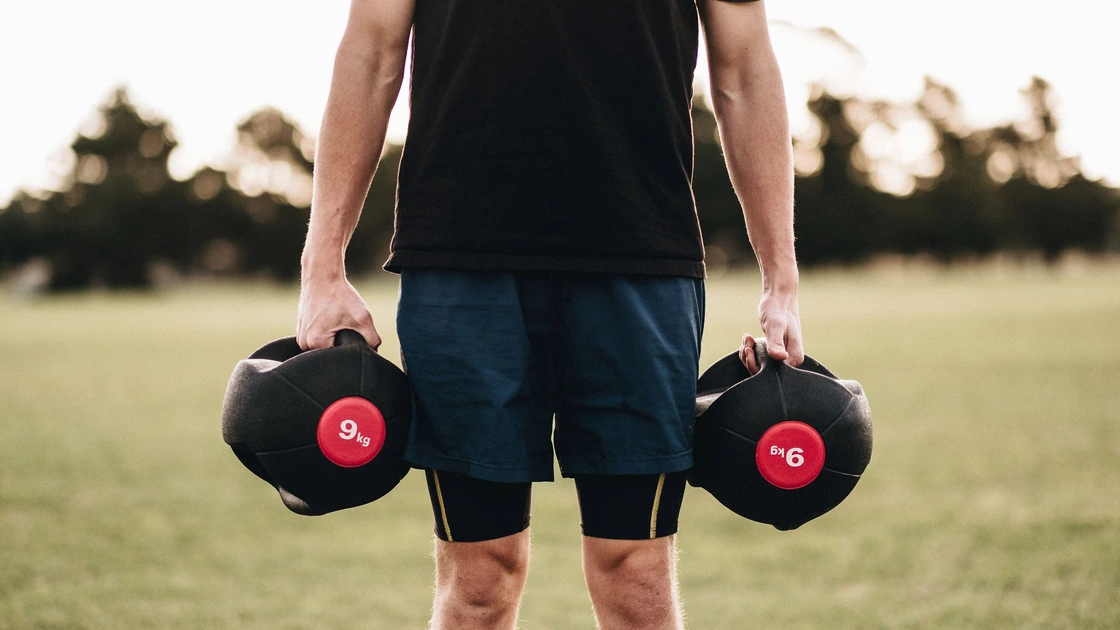
Which loaded carry should I do?
The farmer's carry for the simplest start and the heaviest weights, the suitcase carry for a trunk that has to fight a sideways pull, and the front rack carry when your grip gives out first.
-
What does a rough day change?
Today only. Answer Rough before your first set and this session's weights come down about ten per cent. Next week is written exactly as it would have been, and nothing about the day counts against you.
-
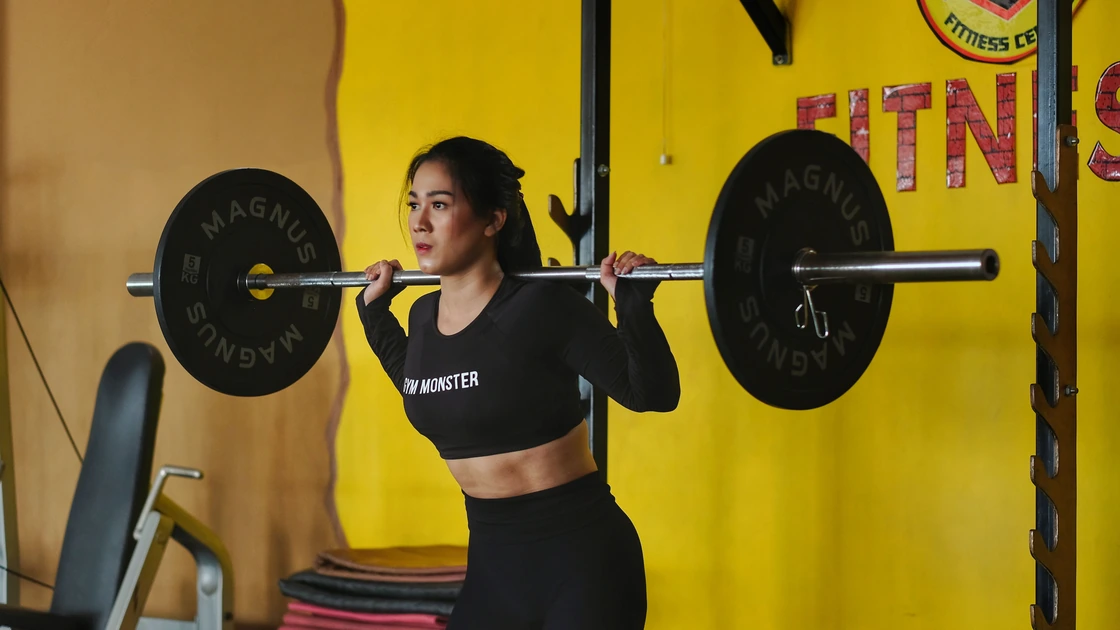
Should I change my training around my cycle?
Mostly, no. Keep lifting through your whole cycle, and let how you feel on the day decide how hard to push, not a chart on the wall.
-
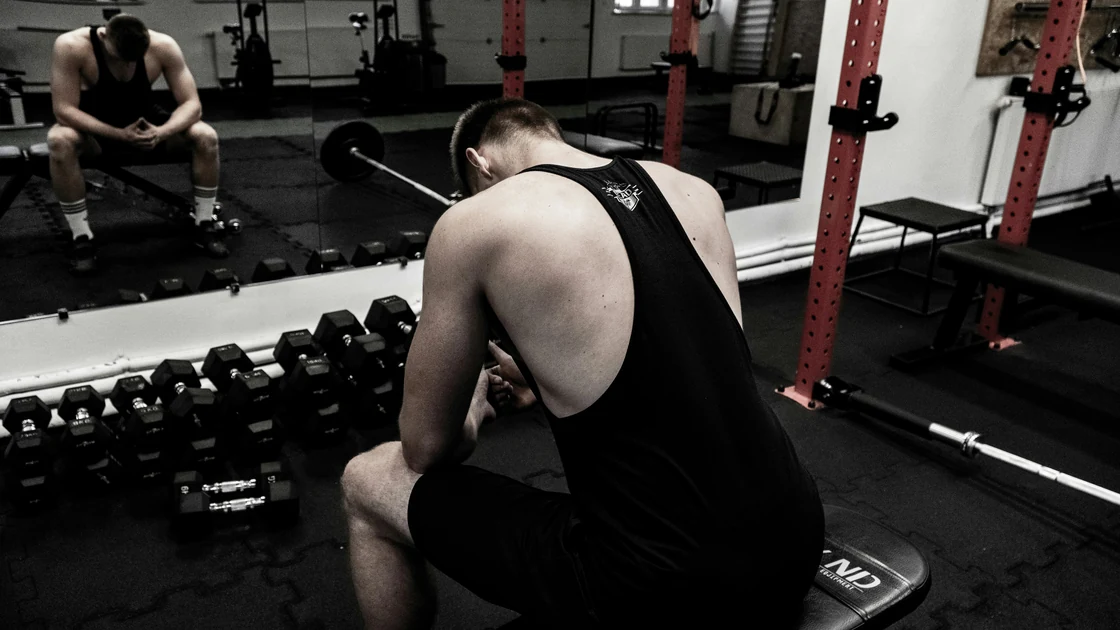
How do I stop feeling stupid at the gym?
Walk in knowing what you are there to do, start light enough to learn the movement, and learn the few manners that matter. The people around you are paying far less attention to you than it feels.
-
What Reckoner learns from, and how to turn it off
Reckoner learns from a copy of your training records, with you taken out of it, and only while you let it. Two switches on the Account page decide what goes in, and turning either off changes nothing about your plan.

-
How do I come back to lifting after a break?
Start a little lighter than you left off and make every rep clean. A break costs less strength than it feels like, and what it does cost comes back faster than it took to build the first time.
-
Does soreness mean the session worked?
No. Soreness tells you a muscle met something unfamiliar, and the weeks you are sorest are not the weeks that are building you.

-
Will lifting make you a slower runner?
No. Across the training studies on runners the economy improved and body composition did not move, and the reason is what a runner is actually prescribed.

-
How many warm-up sets before a heavy lift?
As many as it takes to arrive at your working weight having already lifted something close to it. The research does not name a number, and the numbers you are given are convention.
-
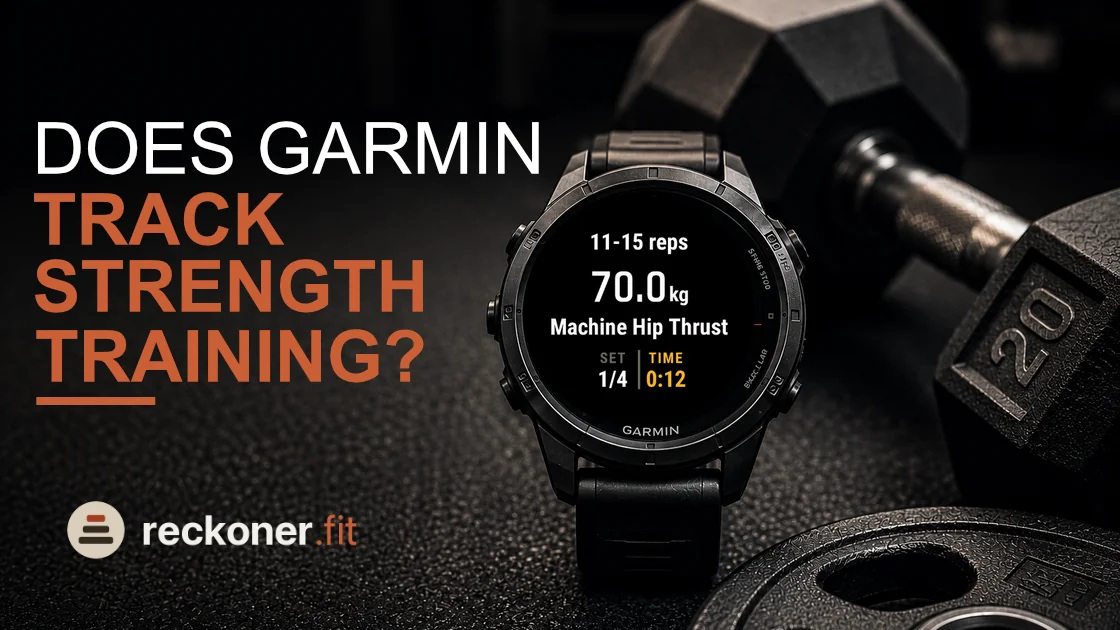
Does a Garmin track strength training?
Yes. It records the session and counts your reps from your wrist once you have done at least four, and you add the weight when the set is over.
-
Can you get a lifting program on a Garmin watch?
Yes. Garmin Connect can send a workout you built yourself, and Reckoner sends one it wrote from what you lifted last week.

-
What if I miss a month of measurements?
Nothing. There is no catching up to do and no penalty to serve. Take the next reading on the next first of the month, and the one you missed simply is not there.
-
Do my measurements change my training plan?
No. Not one set, rep or load moves because a girth did. The four tape figures are recorded and drawn for you to read, and the part of Reckoner that writes your program never sees them.

-
Why did the bar not go up?
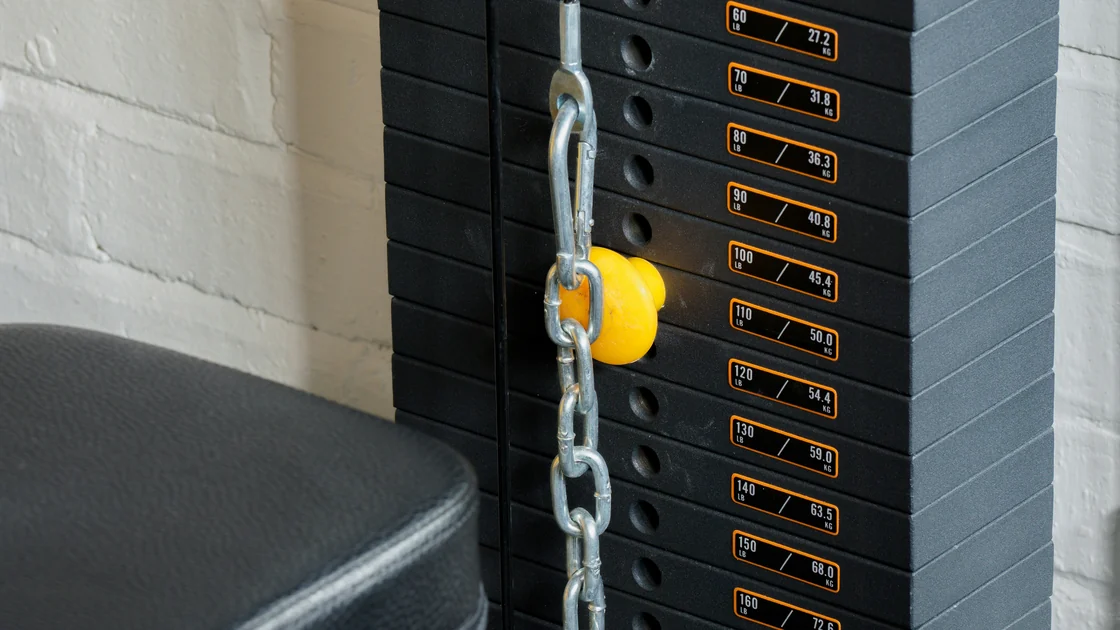
Because the reps go up first. The bar only moves once you finish every set at the top of the rep range, and until then the target reps climb while the load holds.
-
What happens when a lift stops moving?
It repeats the week first, then takes about 10 per cent off the load and builds back through it, and only if the lift gets stuck again after that does it offer you a different movement.
-
Does a week I did not train still count?
No. A week with nothing logged in it moves nothing at all, so you come back to the week you left rather than to one you were not there for.

Everything, A to Z
57 pieces
- A beginner strength program, and how to start oneGuide · Starting a program
- A push pull legs plan for beginnersAnswer · Splits
- Bracing and breathing for heavy liftsGuide · Bracing
- Can you get a lifting program on a Garmin watch?Answer · The push
- Cardio before or after lifting?Guide · Session order
- Do my measurements change my training plan?Answer · Tracking
- Does a Garmin track strength training?Answer · Recording
- Does a week I did not train still count?Answer · Sessions
- Does soreness mean the session worked?Answer · Soreness
- Double progression, and why it worksGuide · Rep ranges
- Garmin Strength Training: What Your Watch Can DoGuide · The watch
- Good lifting form, and why it mattersGuide · Form
- Home gym and dumbbell only programsGuide · Equipment
- How do I come back to lifting after a break?Answer · Coming back
- How do I stop feeling stupid at the gym?Answer · Gym anxiety
- How long to rest between setsGuide · Rest
- How many sets per muscle each weekGuide · Volume
- How many warm-up sets before a heavy lift?Answer · Warm-up
- How much protein do women need to build strength?Answer · Protein
- How Reckoner decides to add weightGuide · Progression
- How to take body measurements that tell you somethingGuide · Tracking
- Lifting and bone health: why it matters for womenGuide · Bone health
- Lifting and running in the same weekGuide · Interference effect
- Powerbuilding: training for strength and sizeGuide · Powerbuilding
- Push pull legs: the PPL split, three days to sixGuide · Splits
- Reps in reserve, and how close to failure to trainGuide · Proximity to failure
- Running a gym workout from a GarminGuide · The gym activity
- Should I change my training around my cycle?Answer · The menstrual cycle
- Strength standards, and what they can tell youGuide · Strength standards
- Strength training for beginners: where to startGuide · Beginners
- Strength training for runnersGuide · Endurance
- Strength training through menopauseGuide · Menopause
- The bro split, judged on the evidenceGuide · Splits
- The full body workout, and who it is really forGuide · Splits
- The pros and cons of creatine monohydrateGuide · Supplements
- The pros and cons of pre-workoutGuide · Supplements
- The pros and cons of protein powderGuide · Supplements
- The upper/lower split, and why four days fitsGuide · Splits
- The week you back offGuide · Recovery
- Training around painGuide · Pain
- Training blocks, and what they are forGuide · Periodization
- Two lifts, back to backGuide · Sessions
- What does a rough day change?Answer · Readiness
- What exercise order actually decidesGuide · Exercise order
- What happens when a lift stops moving?Answer · Progression
- What if I miss a month of measurements?Answer · Tracking
- What progressive overload actually meansGuide · Overload
- What Reckoner learns from, and how to turn it offAnswer · Privacy
- What RPE actually measuresGuide · Effort
- What training to failure is worthGuide · Training to failure
- What your first block was forGuide · Training blocks
- Which loaded carry should I do?Answer · Loaded carries
- Why did the bar not go up?Answer · Progression
- Why you are not progressingGuide · Progression
- Will lifting make you a slower runner?Answer · Running economy
- Will lifting weights make me bulky?Answer · Myths
- Your first week of liftingGuide · First week