 reckoner
Guide Scheduling
Training without fixed weekdays
Your muscles do not know what day it is. A cycle of sessions and rest days, run in order whatever the weekday, trains you as well as a fixed week, as long as the work adds up and the same muscles get time to recover.
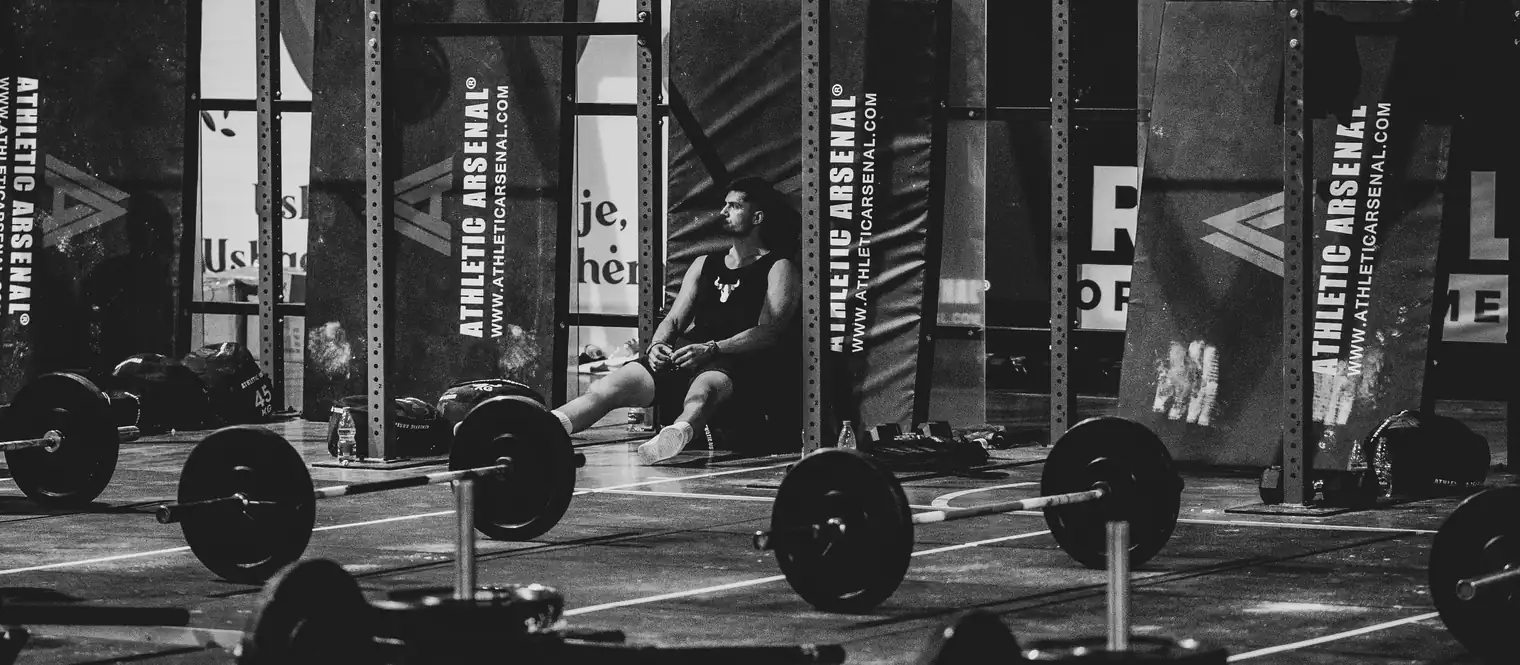
Most programs are written on a calendar. Push on Monday, pull on Wednesday, legs on Friday. That works well when your life runs on a calendar too. Shift workers, parents, people who travel and anyone whose week is never the same twice know the other side of it: miss Monday, and the whole week is out of step.
The calendar is a convenience, not a rule of training. What builds strength and muscle is the work you do and the rest between it, and neither of those cares what the day is called.
How often matters less than how much
The worry with an irregular week is that a muscle gets trained less often. For muscle growth, that matters much less than most people think. A meta-analysis of 25 studies found that when the total weekly work was the same, training a muscle more or less often made no meaningful difference to how much it grew1. The authors concluded that you can choose how often to train each muscle by preference, as long as the work adds up1.
The American College of Sports Medicine says something close in its newest guidance: training every major muscle group at least twice a week, and keeping it up, matters more than a perfect plan4. A cycle you can keep is worth more than a calendar you keep missing.
So a cycle that lands a day once in one week and twice in the next is not a problem. Judged over a few weeks rather than one, the work evens out.
Recovery is the part to respect
What a cycle does need is room between hard sessions for the same muscles. The ACSM recommends at least 48 hours between sessions for any single muscle group, and training each major muscle group two to three days a week2. For people starting out, its guidance is to train the whole body two to three days a week3.
That is the real reason fixed weekdays work: Monday, Wednesday and Friday space themselves out. A cycle keeps the spacing by building rest days into the order. Push, pull, legs, rest, then round again gives each muscle group its gap without a calendar telling it to.
Your muscles count sessions and rest, not weekdays.
Training on your own rhythm in Reckoner
In setup you choose how you train. On set weekdays gives each session its own day of the week, so Monday is always Monday. On my own rhythm builds your cycle instead: your sessions in the order you train them, then your rest days, then round again, whatever the weekday.
Reckoner keeps track of where you are. Today shows the weekday and your place in the cycle, such as Day 2 of 4. Rest days count in that number, so Day 4 of 4 can be a rest day. You can give a rest day a name of your own and log cardio on it if you like, and a rest day is never counted as lifting.
When the weights move
Your weights move when a cycle ends, not on a set day of the week. If you logged any session in the cycle, Reckoner reads what you lifted at midnight after its last day and writes the next cycle. A cycle with nothing logged repeats as written, the same way an untrained week does.
Each lift progresses from its own sessions, one per cycle, so a lift is judged on how many times you trained it and not on how many days went by. The lighter week is the one exception, and it stays a week on purpose: it is dated and counted on the calendar whatever your cycle looks like, so you always know when it starts. Every session dated inside it is lighter, and no weight goes up from one.
If you change your cycle, the change starts when the current one ends. Your weights move first, then the new cycle starts at Day 1, and every weight you have earned carries over.
Train a different day
Some days the plan says legs and your legs say no, or the rack you need has a queue. Train a different day lets you pick another session from this cycle, or from this week if you train on set weekdays. The day you pick trades places with today's, so today's session moves to the chosen day's place. The weights do not change.
If a trade puts a session within 48 hours of another that trains the same muscles, Reckoner says so in one line, with the ACSM's guidance behind it2. It never stops you. You know your body and your week, and the line is there so the choice is an informed one.
Which split suits a cycle
Any split runs on a cycle, and some fit it naturally. Push, pull and legs is the classic case: three sessions and a rest day make a four day cycle that comes round whether the week has room or not. Push pull legs covers how that split is built and who it suits.
If you are new to lifting, more sessions are not better. The ACSM's guidance for beginners is two to three whole body sessions a week3, so if your cycle works out at five or more a week, setup says so once. More is your call, and Reckoner will plan it.
- Write the cycle in the order you actually train. Not the order you wish you trained in.
- Put enough rest in it. Leave the same muscles their two days between hard sessions2.
- Judge it over weeks, not days. A day landing twice one week and once the next is normal, and the work evens out1.
- Trade a day when the day goes wrong. It keeps the cycle whole and the weights where they were.
The calendar was never the program. Train in order, rest in order, and let the weeks fall where they fall.