 reckoner
Guide Decline press
Decline press variations: barbell, dumbbell and more
Tipping the bench head down does not move the work to your lower chest. It takes some of the load off the front of your shoulder, which is the real reason to use a decline.
The decline press has a reputation that arrives before it does. Tip the bench head down, the story goes, and the work moves to the lower chest, so a decline is how you build the bottom edge of your pecs. It is a tidy idea. The measurements do not support it, and the decline turns out to be useful for a different reason.
What tipping the bench actually changes
When researchers measured trained lifters on a barbell bench press at four angles, the lower part of the chest worked about as hard on a fifteen degree decline as it did on a flat bench1. A second study, in competitive bodybuilders lifting heavy, found the same: the lower chest worked to a similar degree on the decline and the flat bench2.
What did change was the front of the shoulder. In the bodybuilders, the front deltoid worked less on the decline than on a flat, incline or machine press, while the triceps stayed busy on both the flat and the decline2. Both studies measured how hard muscles were working rather than how much they grew, and the first is from 2016, so read them as describing the press rather than predicting your results.
Put together, the decline is a chest press that asks less of the front of the shoulder. That makes it a sensible swap when flat pressing leaves your shoulders feeling crowded, and a good way to add pressing variety. It is not a shortcut to a part of the chest the flat bench misses.
A decline is a different press, not a lower chest shortcut.
The variations
- Decline barbell bench press. The classic. A decline bench, feet hooked under the pads, and a barbell lowered to the low chest. It loads the heaviest of the group and needs the most care getting in and out.
- Decline dumbbell press. The same angle with a weight in each hand, so each arm finds its own path. A good pick if a fixed bar does not suit your shoulders. The awkward part is getting two bells into place while you lie head down.
- Decline machine chest press. Handles that travel down and away from you, so you get the decline line sitting upright. Reckoner rates it the easiest of the group to learn, and the one you can push close to the end of a set with nobody spotting you.
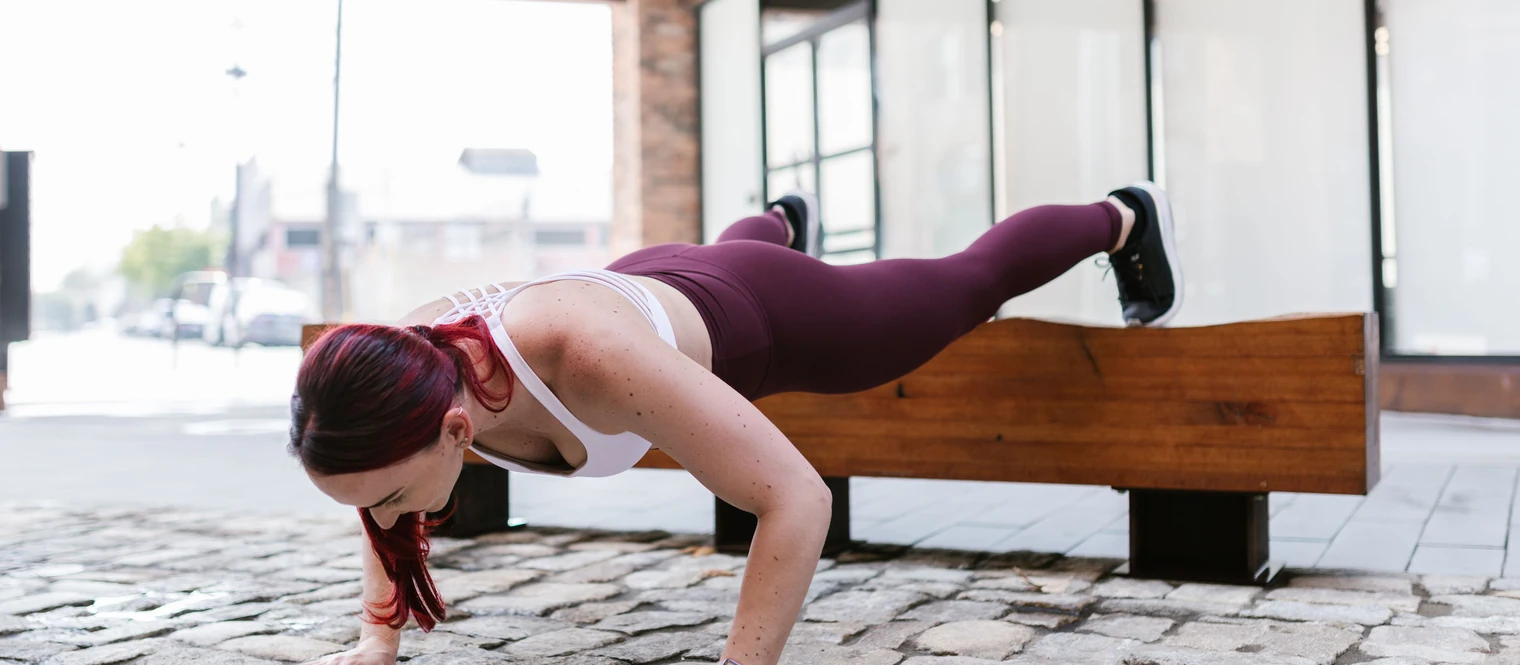
- Decline push-up. Feet up on a box or bench, hands on the floor. With your feet raised, more of your bodyweight goes through your hands than in a regular push-up or one with your hands raised3, so it is a harder push-up rather than a lower chest one.
Which one to pick
- You have a decline bench and a rack with safety arms: the barbell version lets you load the most and track the weight going up week by week.
- A barbell press bothers your shoulders: try the dumbbell or machine version first, and if a press hurts rather than just feeling hard, read training around pain before you push on.
- You train alone or are new to pressing: the machine. It holds the path for you, so you can work hard without a spotter.
- You train at home: the decline push-up needs a step or a sturdy chair and nothing else, and push-up variations, from easiest to hardest shows where it sits in the ladder.
Doing any of them well
- Lock your feet in first. On a decline bench the pads stop you sliding toward the floor. Hook your feet before you lie back, not after.
- Touch lower than you would on a flat bench. The bench has turned you, so the bar or the bells come down to the low chest, with the elbows tucked a little.
- Do not bounce. A bounce off the chest feels like a free rep, and it is your chest wall doing the work instead of your muscles. Touch, keep your position, press.
- Plan the exit. With your feet hooked you cannot roll out from under a missed rep the way you can on a flat bench, so set the safety arms or have a spotter for the barbell, and lower dumbbells to your chest before you sit up.
- Keep the full range. The stretched bottom of a press is the part worth having, so lower all the way under control. Range of motion: how deep each rep should go explains why.
Feet locked, low touch, no bounce, plan your way out.
Where a decline fits in your week
A decline press is chest pressing, the same as a flat or incline press, so count its sets toward your chest for the week. It works well as the second press of a chest day, after a flat or incline press, or as the main press for a block when you want a change. How many sets per muscle each week covers how much chest work to aim for.
Progress a decline the way you would any other press. Add reps inside your rep range first, and once every set reaches the top of the range with good form, move the weight up a step. On a machine that step is the next pin, and with dumbbells it is the next pair on the rack. If you train with Reckoner, it works out that next step from what you log, using the weights your own gym actually has.
Each variation has its own page with the full setup and the mistakes people make. Pick the one your gym and your shoulders agree with, and do it well.