 reckoner
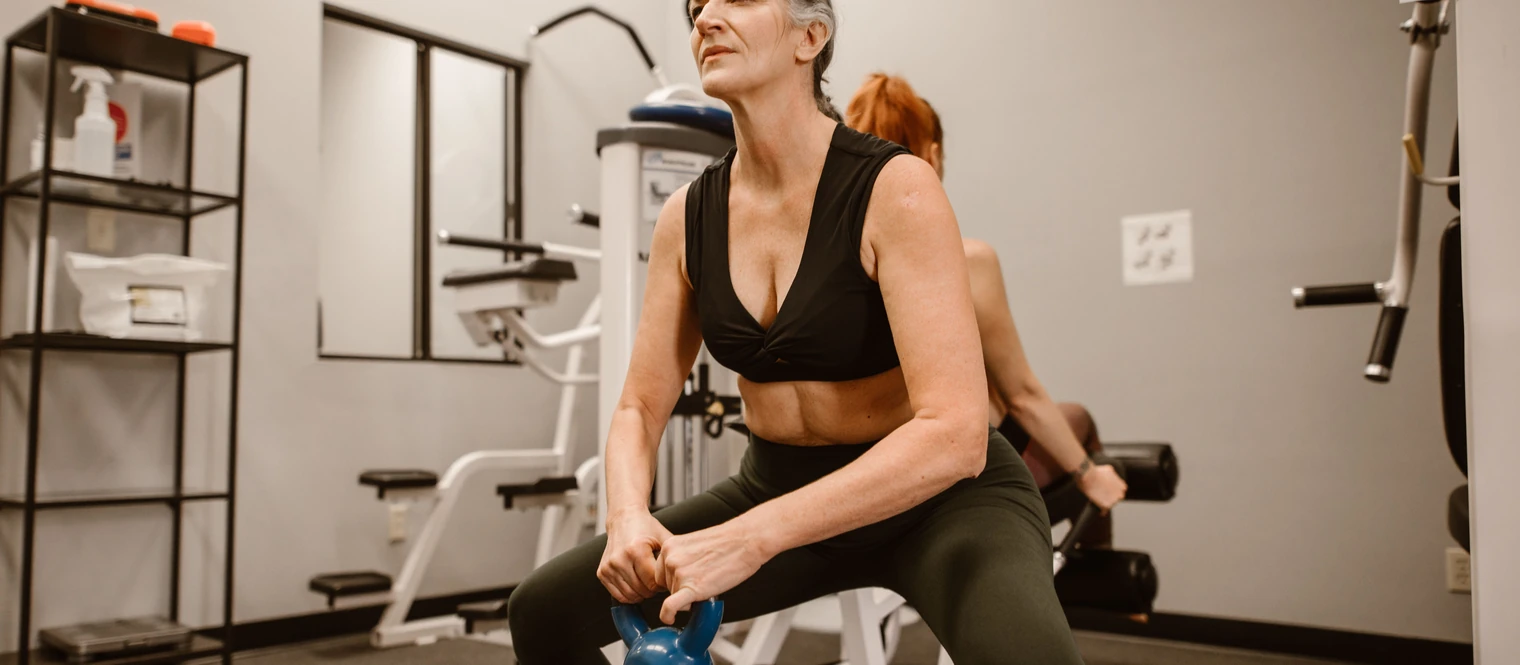
Most people think of bone as scaffolding: built once, finished, and not much to do with what happens in the gym. Osteoporosis sounds like a problem for later, something to think about at seventy.
Bone does not work like that. It is alive, it remodels all the time, and it pays attention to the forces you put through it. For women in particular, what you do in the decades before later is a big part of what later looks like.
You build most of it early
In most people, bone mass peaks by the mid to late twenties, and the peak you reach helps set your bone health for the rest of your life1. Women reach a lower peak than men and have smaller bones, which is one reason more women get osteoporosis2.
Osteoporosis is called silent because it usually has no symptoms until something breaks, and it is the major cause of fractures in women after menopause2. Women lose bone rapidly in the first few years after menopause, and the risk is higher if menopause comes before 453.
Who is most at risk
Some risk factors you cannot change. The NIH lists being a woman, getting older, a slender, small boned frame, a family history of osteoporosis or hip fracture, and being white or Asian, the groups with the highest risk2.
Others are closer to the gym than you might think. Low estrogen raises the risk, and that includes periods that stop before menopause because of extreme levels of physical activity2. Excessive dieting or too little protein may increase the risk of bone loss too2. The NHS adds having had an eating disorder, long courses of high dose steroid tablets, and some medicines that affect hormone levels3.
Put plainly: training very hard while eating very little is one of the few ways a fit, active woman can quietly damage her bones. If your periods have stopped and you cannot say why, that is a reason to see a doctor, not a badge of commitment.
Load is what bone listens to
Resistance training puts stress on bones, and that stress can make them stronger as well as the muscles around them4. The National Institutes of Health recommends a mix of weight bearing exercise, resistance training and balance work for building and keeping healthy bones4.
The UK's 2022 consensus statement on exercise for osteoporosis says the same from the other end: people with osteoporosis should do resistance and impact exercise to build bone strength, and the authors found little evidence that physical activity causes significant harm5.
Your skeleton is listening to every set.
Heavy is not off limits
The most striking evidence comes from the LIFTMOR trial. 101 women past menopause with low bone mass trained twice a week for eight months in short, supervised sessions of five sets of five reps at more than 85 per cent of their maximum, plus impact work6. Their spine bone density rose by 2.9 per cent while a low intensity home exercise group lost 1.2 per cent, their hip held steady while the other group's fell, and every measure of physical function improved6. There was one minor injury across the whole program6.
Read the fine print too. Those women were screened first and supervised closely6, and that is the setting the result comes from. It is one trial in one group of women, so treat it as strong evidence rather than the last word.
What the trials have not settled yet
The honest part: a 2026 meta-analysis pooling recent trials found small but real gains in bone density from strength and impact training in women past menopause, but not in the two trials of younger women it could include, and called for more research7. So for women in their twenties and thirties, the case rests on building the best peak you can1 and on the habit you carry into the years when bone loss speeds up3, more than on a measured gain this year.
How to lift for your bones
- Lift at least twice a week. Muscle strengthening on two or more days a week is the federal guideline the NIH points to4.
- Let the weights climb. The strongest result came from heavy, progressive training6, built up once you can move well.
- Add some impact if your joints allow it. Weight bearing activity is part of the mix the NIH recommends4, and the UK consensus recommends impact alongside resistance5.
- Eat for your bones. The NHS recommends calcium rich foods and a daily 10 microgram vitamin D supplement for people at risk of osteoporosis3.
- Eat enough, full stop. Eating too little for the training you do is linked to poorer bone health in women who train8.
If you are starting from nothing, spend the first months learning the movements and building the habit, and let the load come after. Strength training for beginners walks you through that. Bone changes slowly, over years rather than weeks, so the habit you keep is worth far more than any single heavy session.