 reckoner
Answer Creatine
Should women take creatine?
You can, and you do not have to. It is safe for most healthy women. The evidence that it helps is thinner in younger women than the marketing suggests, and clearer after menopause, alongside lifting.
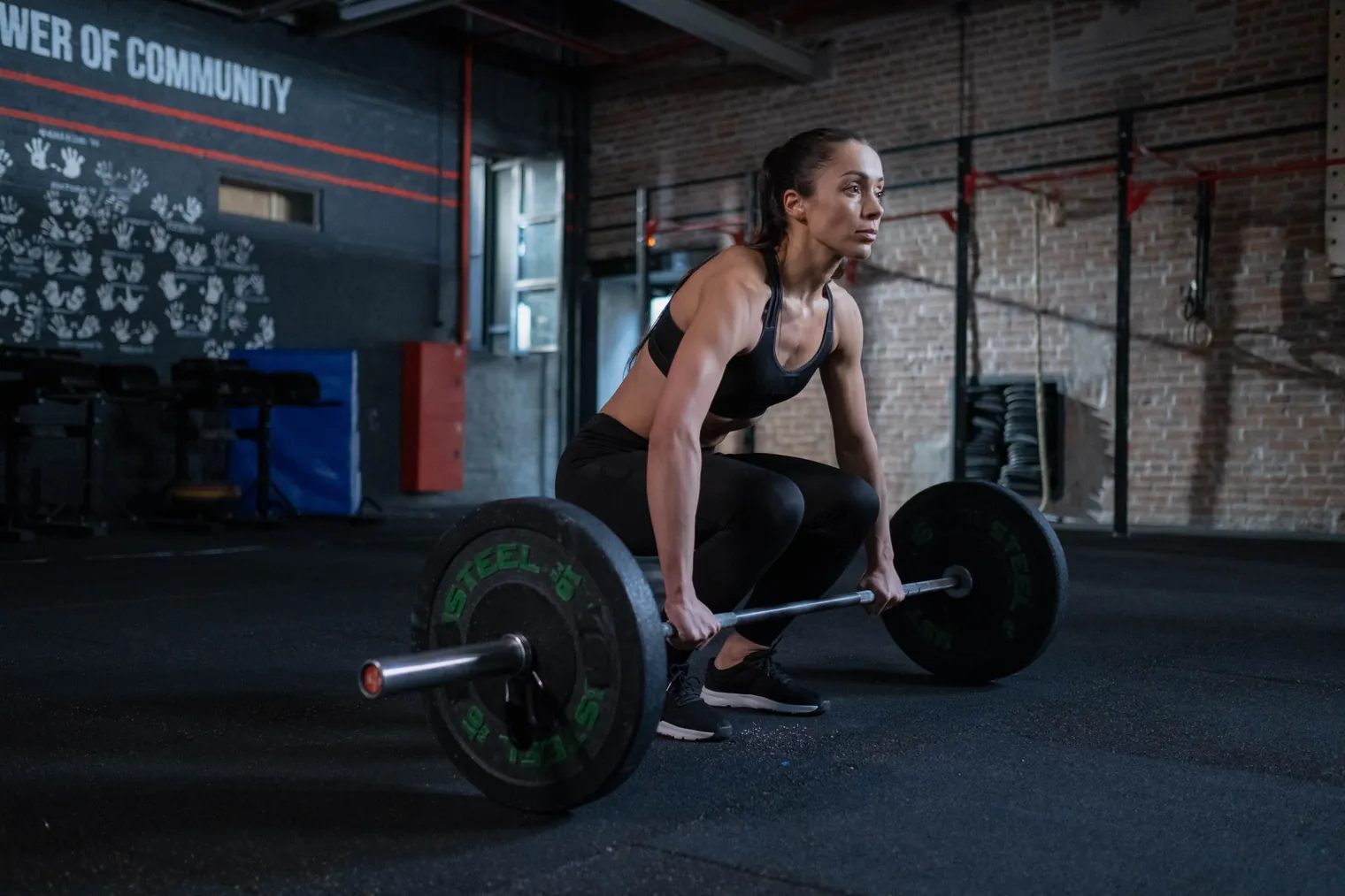
Creatine used to be sold to men in tubs with lightning bolts on them. Now it is everywhere in women's wellness, promising stronger muscles, sharper thinking and an easier menopause. So is it worth a scoop in your morning coffee? Here is what the research actually says.
What creatine does
Creatine helps your muscles recharge during short, hard efforts, like a set of squats. More of it on board means a little more work before a set falls apart. If you want the full picture, the pros and cons of creatine covers how it works for anybody who lifts.
In younger women, the evidence is thinner than you would think
Most creatine research has been done on men. A 2024 review of strength trials in adults under fifty included only 49 women among more than 500 people. Men taking creatine while lifting gained more strength than men on a placebo, while in the small group of women the difference was not significant, and the authors concluded the benefits are likely to be larger in men1.
That does not prove creatine does nothing for you. A 2021 review of creatine in women reached a warmer view, that it appears to help strength and exercise performance before menopause2. What it does mean is that the confident claims you see online are running ahead of the evidence for women in their twenties and thirties.
After menopause, it is clearer
The picture is better for women after menopause, when muscle and strength are lost faster3. A 2026 review pooled seven trials of postmenopausal women. Creatine added a little lean mass, about a third of a kilo, and a little leg strength, but only when women took at least five grams a day and lifted as well. Low doses without lifting showed no measurable effect, and bone density did not change3.
So creatine is a small helper to lifting, not a replacement for it. If you are in this stage of life, lifting through menopause is the bigger lever by far.
Will it make me bulky, or puffy?
No to the first. Controlled trials lasting from a week to two years show creatine does not increase fat4.
The second deserves a straight answer. Creatine can pull a little extra water into your muscles in the first weeks, so the scale may tick up4. That is water inside the muscle, not fat, and why the scale goes up when you start lifting explains why it is nothing to worry about.
If you decide to try it
- Choose plain creatine monohydrate. It is the form those postmenopausal trials tested3.
- Take three to five grams a day. That is enough, and you do not need a loading phase4. The postmenopausal trials that showed a benefit used at least five grams with lifting3.
- Take it every day. With breakfast, in a coffee, whenever you will remember.
One honest note. Several of the researchers writing about creatine in women advise or have been funded by a company that makes it, and they say so in their papers23. That does not make their findings wrong. It is a good reason to read the careful conclusions rather than the headlines.
Lift first. Creatine is a small bonus on top, and you are free to skip it.